Keeping kids’ artwork organized can feel like a never-ending task for many parents. From school projects to colorful drawings and crafty creations, these treasures quickly pile up, creating clutter and sometimes even stress. But with a few practical strategies, you can manage your child’s art collection in a way that honors their creativity while keeping your home neat and organized. Here are some helpful tips to get started.
Why Organizing Kids' Art Matters
Children’s artwork is more than just paper and paint; it represents their imagination, growth, and special moments. Organizing these pieces helps:
– Preserve memories and milestones
– Encourage creativity by showing respect for their work
– Reduce clutter and maintain an orderly space
– Make it easier to revisit and share art later
Now, let’s explore some step-by-step tips and ideas.
1. Create a Dedicated Art Space
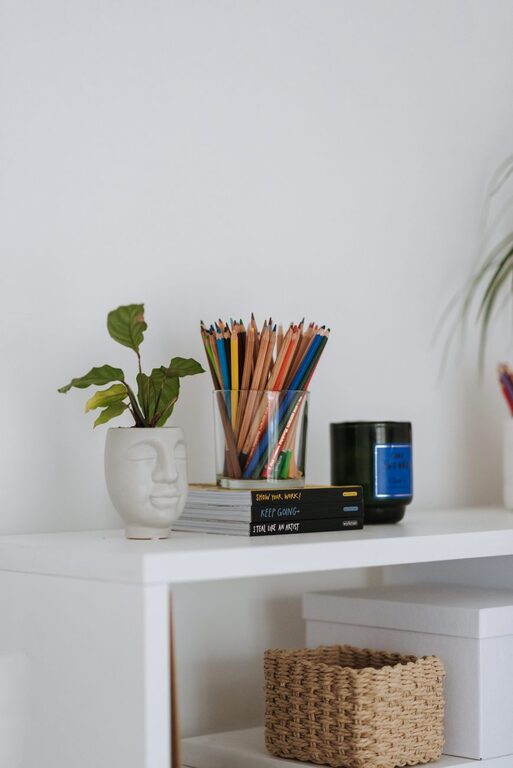
Designate a specific area in your home for art supplies and completed work. This could be a corner in the living room, a section of their bedroom, or a spot in the family room.
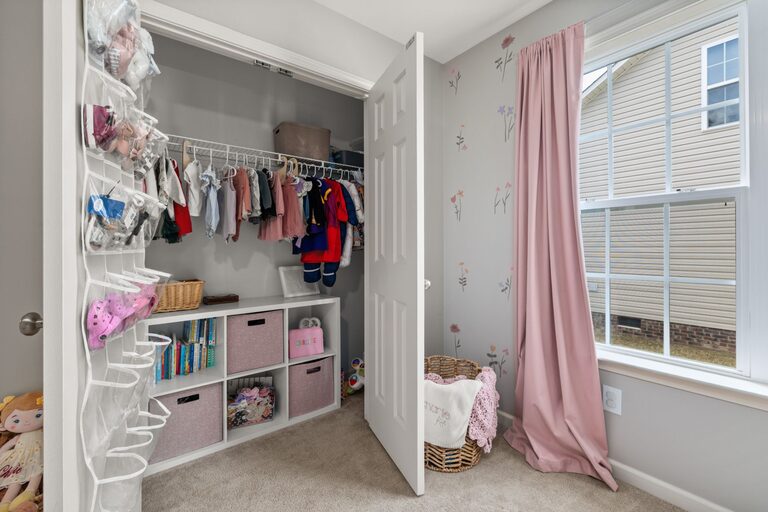
– Use shelves, bins, or cubbies to store supplies like crayons, markers, paper, and glue.
– Have a surface like a small table or an easel for them to create.
– Allocate space for displaying finished art (more on this below).
Having a dedicated area helps contain the mess and gives kids a sense of ownership over their space.
2. Set Up an Art Display Area
Kids love seeing their art showcased. Create a rotating gallery to celebrate their creativity.
Ideas for Displays:
– Bulletin Board or Corkboard: Pin up new artworks and swap them out regularly.
– String and Clips: Hang a string or wire and use clothespins or clips to hang drawings.
– Framed Collages: Use multi-photo frames or collage frames to group several artworks.
– Wall Decals or Washi Tape: Arrange pieces in a fun, decorative way without damaging walls.
Rotate the artwork every few weeks to keep the display fresh and prevent accumulation.
3. Sort and Purge Regularly
It’s important to go through artwork periodically with your child. This can be a fun activity and a way to talk about their projects.
– Choose Favorites: Pick the most meaningful or impressive pieces to keep.
– Recycle or Gift: Donate art to relatives or recycle older pieces.
– Photograph or Scan: Digitally archive artwork before discarding it (more below).
Establishing a routine, such as monthly or quarterly reviews, helps maintain control over the collection.
4. Use Storage Solutions That Work
For artwork you want to keep, invest in practical storage options.
Storage Ideas:
– Portfolio or Art Folder: Store flat pieces in large zippered portfolios or artist folders.
– Plastic Bins: Use clear bins to categorize by age, school year, or type of art.
– Binders: Slip drawings into sheet protectors and organize by date or theme.
– Accordion Files: Great for sorting smaller works or paper crafts.
Label storage containers clearly to find artwork easily when you want to revisit memories.
5. Digitize Artwork for Longevity
Scanning or photographing artwork is a space-saving way to preserve kids’ creativity without keeping every physical piece.
– Use a smartphone or scanner to capture high-quality images.
– Organize digital files by date, child’s name, or school year.
– Create digital photo books or slideshows to share with family.
– Use apps designed for storing kids’ artwork, which often include tagging and sharing features.
Digitizing also allows you to create personalized gifts like calendars, mugs, or prints featuring their art.
6. Encourage Creative Repurposing
Find fun ways to reuse artwork in everyday life:
– Wrapping Paper: Use large drawings to wrap presents.
– Greeting Cards: Cut pieces to make homemade cards.
– Craft Projects: Turn art into bookmarks, collages, or ornaments.
– Decor Items: Frame and hang art in playrooms or bedrooms.
This extends the life of their creations and gives them new purpose.
7. Involve Your Kids in the Process
Make organization a team effort. When children help decide what to keep, display, or recycle, they learn valuable skills and respect for their belongings.
– Let them choose favorites to display or save.
– Teach sorting and categorizing based on color, theme, or size.
– Encourage regular clean-ups of their art space.
This involvement fosters responsibility and pride in their work.
8. Be Mindful of Emotional Attachments
Some pieces may hold strong sentimental value. Consider special storage for these:
– Use keepsake boxes labeled by year or child.
– Create a memory book with photos and stories about the art.
– Share stories behind the artwork during family time to deepen connections.
Balancing sentimentality with practicality helps keep clutter under control without losing precious memories.
Final Thoughts
Organizing kids’ artwork doesn’t have to be overwhelming. By setting up designated spaces, displaying creations proudly, sorting regularly, and using smart storage or digital options, you can manage your child’s art in a way that cherishes their creativity and keeps your home tidy. These habits also teach children organization skills that benefit them in many aspects of life.
Try these tips, and enjoy a more organized home filled with joyful reminders of your child’s imaginative steps along the way!